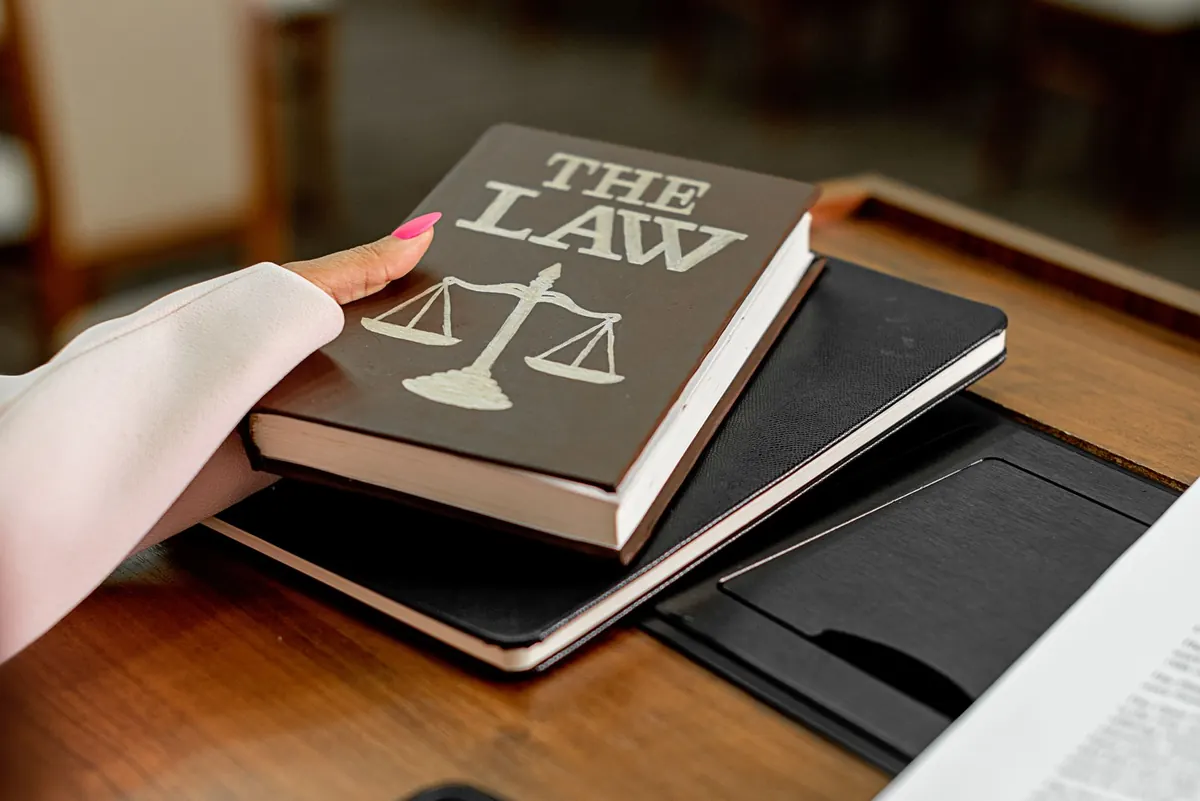
You finish a short story at half eleven on a Tuesday night and save the file. Without filling in a form, paying a fee or telling anybody, you now own the copyright in that story — and it stays yours for the whole of your life and seventy years after you die. Most writers know that in a vague sort of way. Fewer know what it actually means the first time an editor asks for "all rights", or a blogger lifts six hundred words from your newsletter.
This is the practical version of the rules that matter to writers working in the UK, from who owns what to how much of somebody else's book you can quote without asking.
UK copyright is automatic. There is no register to join and no certificate to frame. Protection begins as soon as a work is recorded — in a notebook, a Word document, a typed-up voice memo, an email to yourself.
What is not protected: ideas, facts, plot premises, character names, titles and the general feel of a genre. Copyright covers the expression — your particular words, structure and arrangement — not the concept. A hundred writers can each produce a novel about a Cornish lighthouse keeper; none of them may copy the others' sentences.
Two practical notes. The © symbol is not required in the UK, but putting your name and the year on a manuscript costs nothing and signals ownership. And there is no such thing as a "poor man's copyright": posting a copy to yourself gives you a dated envelope and nothing more. Keep drafts, dated files and emails instead. That is the evidence that matters if a dispute ever arises.
The default rule is simple — the author is the first owner. The exceptions are the ones that catch writers out.
Employment. If you create something in the course of your job, your employer owns the copyright, not you. A staff journalist's articles belong to the newspaper. A copywriter's website copy belongs to the agency. Write a novel at your desk at lunchtime and the position is muddier, which is a good reason to keep personal projects off the work laptop and out of work hours.
Freelance and commissioned work. If you are not an employee, you own your work unless you sign something that transfers it. A commission — an essay for a magazine, a piece for a client's website — does not by itself hand over copyright. The commissioner gets a licence to use the work for the agreed purpose; you keep the rest. If they want more than that, it needs spelling out in writing.
Assignment. Copyright can be sold or given away, but an assignment generally has to be in writing and signed. An email saying "yes, fine, all yours" may well do the job, which is exactly why you read terms before you reply. Exclusive licences normally need to be in writing too. Non-exclusive licences can be agreed informally — useful to know when you grant a magazine first British serial rights over email.
Ghostwriting. A ghosted memoir is usually assigned to the client, along with a waiver of moral rights. If you are the ghost, factor that into the fee and the credit.
Separate from ownership, you have moral rights: to be identified as the author of your work, to object to derogatory treatment of it, and not to have work falsely attributed to you. There is also a narrow privacy right in certain photographs.
Two snags. The right to be identified has to be asserted in writing, so add a line to your manuscript stating that you assert your moral rights. And moral rights can be waived — often are, in publishing and work-for-hire contracts. They cannot be sold, but they can be given up. If having your byline on the piece matters to you, say so before you sign anything.
Fair dealing is not a free pass. It is permission to use a small amount of someone else's work for a specific purpose, on specific conditions.
The UK does not have American-style "fair use". We have fair dealing, which is narrower and tied to particular purposes:
Each comes with conditions. Criticism and review normally require sufficient acknowledgement — author and title. All of them require the use to be fair: short, necessary, and not a substitute for reading the original. Quoting three lines of a novel in a review is straightforwardly fine. Reproducing three pages of it is not, even with a credit.
The working rule is simple enough: quote only as much as your point genuinely requires, credit properly, and ask for permission when you are unsure. A short permission email is cheap insurance, and most authors say yes.
Keep a dated copy of everything you write, and keep it somewhere you will still be able to find in five years. Read the rights clause in every contract — particularly the words "assign", "all rights", "exclusive" and "waive" — and ask for changes you can live with. Assert your moral rights in writing, credit your sources properly, and get permission rather than hoping.
Nothing here is legal advice, and copyright disputes turn on their specific facts. If a contract is worth real money, or somebody is profiting from your work, spend an hour with a solicitor who specialises in intellectual property or media law. It is usually cheaper than the alternative.
Beyond that, the system is on your side from the moment you type the first sentence. You own what you write. Act like it.
Photo: Mikhail Nilov / Pexels
A practical month-by-month guide to UK writing competitions, prizes and grants, with tips on tracking deadlines,...
A practical guide to UK freelance writing invoices: what to include, how to set payment terms, and how to chase late...

Editing your own writing is easier with a method. This guide walks beginners through structural, paragraph and...

A hub for writers and writing inspiration..
